
- A number without an agreed functional scope is just a guess. Price is always a sum of platforms, API complexity, and third-party integrations.
- Cross-platform engineering (Flutter/React Native) can cut upfront costs by 35% to 45% compared to dual native builds without sacrificing user experience for 90% of business apps.
- Always reserve 15%–20% of your initial build budget annually for post-launch maintenance, store API updates, and analytics iteration.
Cost depends on platforms, feature depth, and what runs on the backend. Once those components are clearly articulated in a written scope document, price becomes a predictable sum of understandable parts.
1. What Actually Drives the Cost of an App
When software development companies price an iOS or Android application, the estimate breaks down into specific engineering disciplines:
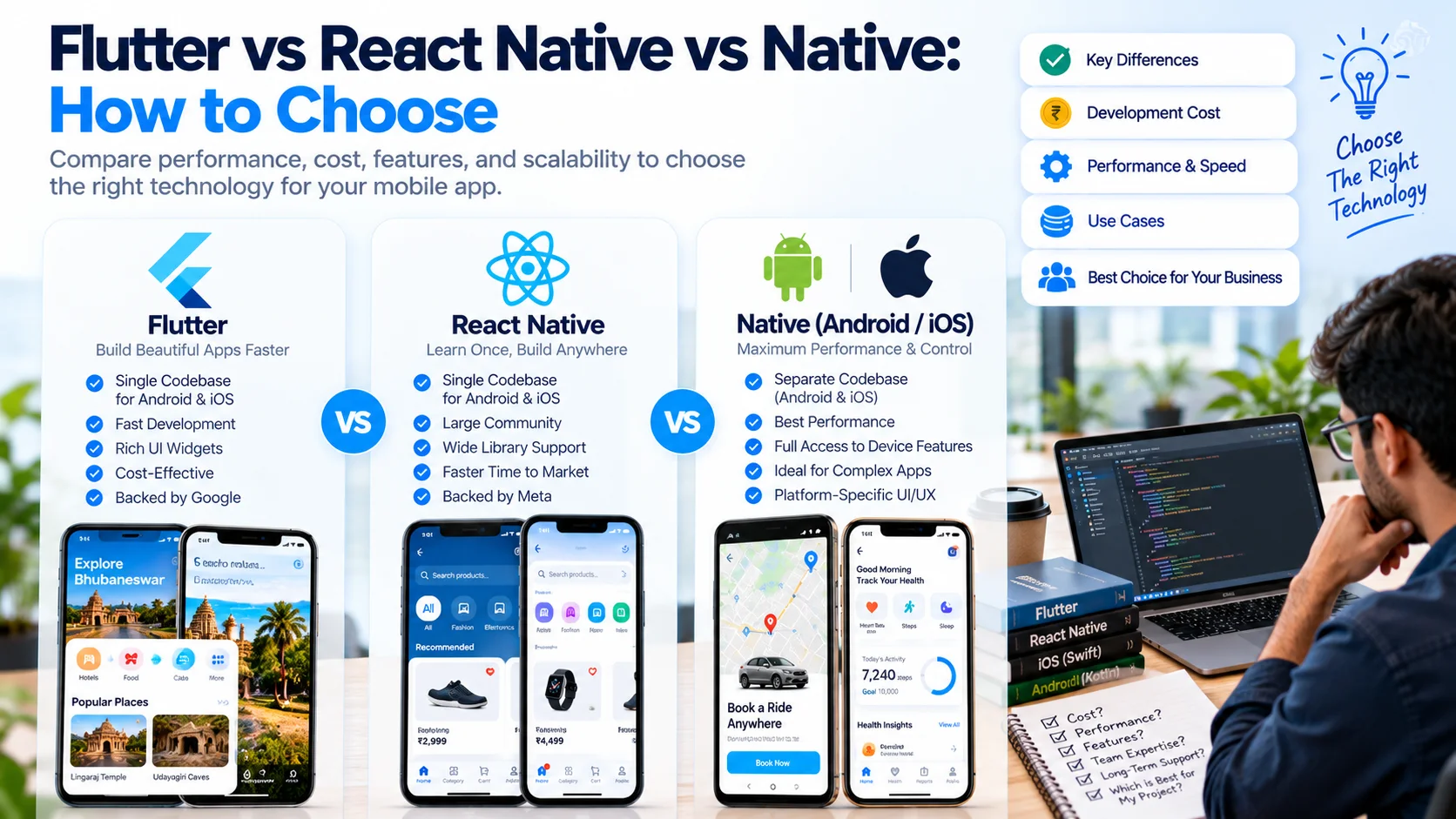
- Platform Architecture. Building two separate native apps requires two distinct codebases (Kotlin/Java for Android and Swift for iOS) and dual testing cycles. Cross-platform frameworks like Flutter allow up to 90% codebase sharing.
- Feature Complexity. Real-time bi-directional chat (WebSockets), live geolocation tracking, offline-first synchronization, multi-tenant role authorizations, and automated payment disbursements each require specialized backend and QA effort.
- UI/UX Design Systems. Bespoke motion design, micro-interactions, dark/light theme switching, and data-dense dashboards take longer than off-the-shelf component libraries — but provide massive retention dividends when the interface represents your primary brand touchpoint.
- Backend Infrastructure & APIs. Relational database design, serverless microservices, business rule engines, administrative backoffices, and RESTful/GraphQL endpoints often represent 40% to 50% of the entire engineering effort.
- Third-Party Integrations. Payment gateways (Razorpay, Stripe), SMS/OTP services, automated push notifications, mapping APIs (Google Maps Platform), logistics webhooks, and enterprise ERP sync.
- Quality Assurance & Device Testing. Real-device stress testing across low-end Android chipsets, varying network latencies, edge-case payment failures, and App Store / Google Play compliance.
- Post-Launch Maintenance. Annual iOS and Android OS updates, security vulnerability patches, SDK deprecations, and feature enhancements.
2. Native or Cross-Platform: Architectural Trade-Offs
Native development builds a dedicated application for each target OS: Kotlin for Android and Swift for iOS. This offers pixel-perfect hardware sensor access, high-frequency GPU rendering (ideal for high-end gaming or CAD rendering), but essentially doubles the maintenance burden.
Cross-Platform frameworks (primarily Flutter and React Native) ship native binaries to both app stores from a single unified codebase. For enterprise workflows, e-commerce, on-demand marketplaces, and internal logistics, cross-platform is almost always the smart economic choice. We break down these trade-offs in depth on our mobile app development services page.
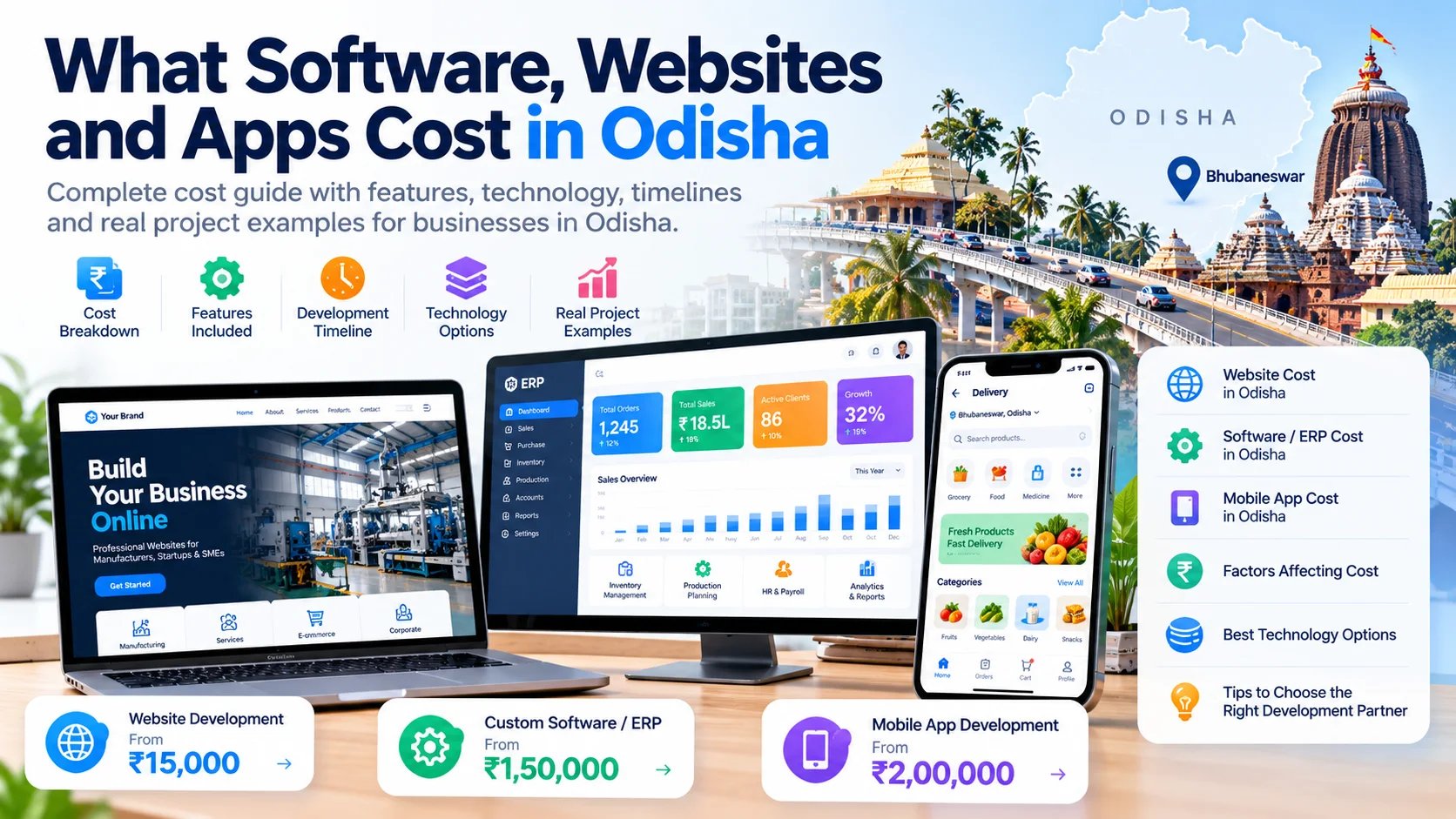
3. Indicative App Development Cost Ranges in India (2026)
Below are representative market ranges based on hundreds of delivered deployments — intended as indicative benchmarks rather than rigid quotes:
| Complexity Tier | Typical Timeline | Indicative Budget (INR) | Representative Scope |
|---|---|---|---|
| Simple / MVP App | 4 to 7 weeks | ₹3,00,000 – ₹8,00,000 | Single platform or straightforward cross-platform build, 6–10 screens, standard auth, basic catalog, single payment gateway. Ideal for validation. |
| Medium Business App | 2 to 4 months | ₹8,00,000 – ₹25,00,000 | Dual stores (iOS + Android), full backend + custom web admin dashboard, push notifications, role-based access, automated invoicing, analytics. |
| Complex Enterprise Platform | 4 to 9+ months | ₹25,00,000 and above | Multi-role marketplaces, real-time dispatch, IoT/hardware integration, offline sync, microservices backend, banking/health compliance. |
4. Crucial Questions to Ask a Development Partner
- Deliverables transparency: Are UI/UX wireframes, server source code, administrative panels, and store deployment accounts explicitly included in the fixed quotation?
- Change control policy: How are mid-sprint scope modifications calculated and authorized once agile sprints are underway?
- Intellectual property: Does your contract state that your company owns 100% of the custom source code, repositories, and credentials upon milestone settlement?
- Warranty & SLA: Is there a 30-to-60 day post-launch bug warranty included to address production edge cases after public store release?
- Track record: Can the agency showcase live production applications with verifiable store links? You can inspect several in the Digiladder portfolio.
Vague, one-line cost estimates are an immediate red flag. A trustworthy technology partner will always provide an itemized functional breakdown with explicit assumptions. Share your requirement with Digiladder to receive an architectural review and transparent quotation.